
Commonly used by business owners, a personal guarantee is a legal promise that makes you personally responsible for a loan or credit obligation if the business or borrower cannot repay it. In plain terms, it means you’re putting your own assets on the line to back up a loan, typically for your business.
Lenders often require personal guarantees, especially when they view a business as risky or when it doesn’t have a long financial history. This guarantee shifts the risk away from the lender and onto you.
At Loan Lawyers, we understand the stress and pressure of putting your assets on the line to secure funding or grow your business. While some risk may be necessary when offering a personal guarantee, understanding the hidden risks, strategies, legal protections, and the help available to you can alleviate some of the stress and mitigate some of the risk of a personal guarantee in Florida. Take a look and be sure to contact us with any questions.
How Personal Guarantees Work
Personal guarantees are commonplace in many financial agreements between lenders and business owners, executives, or entrepreneurs. You may be asked to offer a personal guarantee for the following:
- Small Business Loans – The bank won’t always lend based solely on business credit or credit history. Lenders often seek reassurance that a loan to a small business owner will be repaid even if the business fails.
- Credit Lines – Because revolving credit line balances can rise and fall unpredictably, banks often ask for a personal guarantee to ensure repayment, no matter how much is drawn.
- Equipment Financing – Even though the equipment itself may serve as collateral, lenders frequently require personal guarantees to protect themselves if the equipment loses value.
There are two main types of guarantees:
- Secured Personal Guarantees – You pledge specific assets, such as your house or savings account. If the business defaults, the lender can seize those assets.
- Unsecured Personal Guarantees – You don’t list specific assets, but creditors can still pursue other assets and credit if repayment fails.
Limited vs Unlimited Personal Guarantees
Personal guarantees can be either limited or unlimited. In limited personal guarantees, your personal responsibility is capped at a specific dollar amount or fraction of the total debt. In unlimited personal guarantees, you are responsible for the entire loan, plus interest and other costs if the business fails to repay.
The Legal and Financial Risks
A personal guarantee can make all the difference in securing the funding your business needs, but it comes with significant risk. Some of those risks include:
- Loss of personal assets
- Lawsuits and judgments
- Credit damage
- Long-term financial stress
Creditors may target your house, car, bank accounts, or even garnish your wages if the business defaults on the loan. You may also face legal action, and damage to your credit can limit your ability to borrow in the future. That’s why it’s critical to understand the terms of your agreement and the risks involved before signing anything.
At Loan Lawyers, we believe you should not have your life and finances ruined because a bank pushed you into signing a risky agreement to resolve your business debt. That’s why we carefully review every client’s situation and fight to protect them from unfair or predatory collection practices.
Personal Guarantees in Business Bankruptcy
A common question clients ask us is, “Does a personal guarantee survive bankruptcy?”
Unfortunately, business bankruptcy does not automatically eliminate personal guarantees. Even if the company’s debts are discharged, you may still be liable for the outstanding balance under the terms of your agreement. That means:
- You may still owe the debts your business can’t pay
- Creditors can still pursue your personal assets or business assets
- Individual bankruptcy may be necessary
When the business files for bankruptcy and you’re still on the hook for its debts, an experienced attorney can work to protect your finances. Loan Lawyers helps clients determine whether negotiation or individual bankruptcy is the better option.
Personal Guarantees in Individual Bankruptcy
Sometimes, when you owe a lender money under a personal guarantee, bankruptcy can reduce or eliminate that liability. Chapter 7 bankruptcy can potentially discharge many types of debts tied to a personal guarantee, while Chapter 13 bankruptcy can help you manage guaranteed debts through a structured repayment plan.
However, certain debts are non-dischargeable debts in personal bankruptcy, most notably in instances of fraud or misrepresentation. For example, if the business exaggerated financial information to get approved for a loan, courts may rule that the debt cannot be erased in a bankruptcy filing.
By working with an experienced bankruptcy attorney, you may be able to negotiate a reduced settlement or restructure your payment plan to give you more time to pay off a reduced portion of the guaranteed debt.
Protecting Yourself Before Signing
One of the keys to personal guarantee asset protection is carefully considering the long-term consequences before you sign. Key questions to ask before agreeing to a personal guarantee include:
- What assets could I lose if the business fails?
- Can the lender limit my liability to a percentage of the debt?
- Are there alternatives to this personal guarantee?
Some alternatives to a personal guarantee include:
- Offering collateral to limit your liability
- Accepting a slightly higher interest rate
- Bringing in a co-signer
- Limiting the guarantee to certain assets
The most crucial step when protecting yourself before signing anything is to have a lawyer review the agreement first. Creditors often bury unfavorable terms in complicated legal language. Our team can help you avoid being trapped by intentionally confusing clauses.
How Loan Lawyers Helps
The team at Loan Lawyers is dedicated to protecting clients from unfavorable loan agreements and the shady banks that offer them. If you’re considering a loan involving a personal guarantee or you’ve run into trouble after signing one, we can help by:
- Reviewing Loan and Guarantee Documents – We’ll go line by line to uncover clauses in the loan terms that may put your hard-earned assets at risk. Many clients are shocked by what lenders bury in the fine print. We’ll make sure you know what you’re agreeing to before you sign.
- Advising on Asset Protection – We’ll assess your finances and suggest ways to limit personal liability if your business struggles to repay the loan. This can include restructuring assets or seeking alternatives to a personal guarantee.
- Representing You in a Bankruptcy Case – Our attorneys know how Florida bankruptcy courts handle personal guarantees, and we know how to protect you. Whether you’re negotiating repayment, restructuring your debt, or seeking a discharge, we’ll guide you every step of the way.
- Challenging Lenders and Collectors in Court – Banks and debt collectors often rely on borrowers’ lack of knowledge about their legal rights. We can turn the tables on them and fight to hold them accountable in court if necessary.
- Leveraging Our Florida Courtroom Experience – When creditors know that experienced trial attorneys represent you, they’re far more likely to settle than risk losing in court. This leverage gives us negotiating power, allowing us to push for more favorable outcomes for our clients.
We have over 100 years of combined legal experience helping consumers, and we’ve helped over 10,000 clients in Florida get out of debt and get a fresh start. Our success and reputation in the courtroom provide unique leverage when we’re negotiating for the best possible outcomes for our clients.
Practical Next Steps for Clients
Personal guarantees carry profound, long-term financial implications. Unfortunately, it’s not uncommon for people seeking funding for their business to underestimate the risks involved with these agreements. That’s why it’s crucial to understand the potential consequences if the borrower defaults on the loan before signing.
If you’ve already signed and you’ve run into trouble, you have options for protecting your personal assets. However, it’s essential to address the issue proactively. Consider the following steps:
- Seek Legal Counsel – It’s wise to consult an experienced attorney before financial stress mounts and issues worsen. Early legal advice can provide clarity about your responsibilities and identify potential ways to limit liability.
- Explore Negotiation Options – You can potentially reduce personal liability by restructuring or modifying the debt. Creditors are often willing to negotiate repayment plans or settle for lower amounts rather than pursuing lengthy, costly legal action.
- Consider Bankruptcy Carefully – Bankruptcy may provide relief in certain circumstances, but that may not be true for you. An experienced attorney can determine how bankruptcy might reduce liability, and whether it’s a viable option for you.
By taking these steps early and engaging professional legal support, you can seek solutions before issues compound and become overwhelming. Remember: there are potential solutions, but the problem won’t solve itself. Being proactive can protect your financial future and reduce the growing stress you’re facing.
Contact Loan Lawyers Today
When experiencing stress or anxiety due to the uncertainty of debt, trust the experienced total debt solution law firm with a proven track record of success. We can explain how you can regain financial stability and restore peace of mind.
The team at Loan Lawyers has extensive experience advising clients in Fort Lauderdale before and after signing agreements involving personal guarantees. We can help you protect your financial future, whether by reviewing your agreement, exploring options for negotiation or restructuring payment, or standing up to shady banks or creditors in court. You have options, but early action is essential. Contact us today for your free consultation.
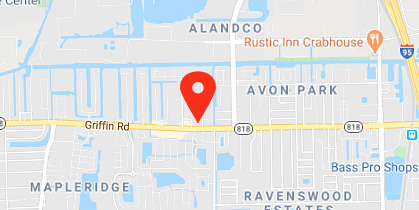
Main Location: 3201 Griffin Rd # 100, Fort Lauderdale, FL 33312
Second Location: 101 NE 3rd Ave Suite 1571, Fort Lauderdale, FL 33301