Mortgage forbearance can help homeowners manage a financial hardship by temporarily pausing or reducing their monthly mortgage payments. However, it generally does not eliminate the amount left unpaid. When that temporary relief ends, you need to understand how the remaining mortgage balance will be handled.
If you cannot resume regular mortgage payments or resolve the missed payments, you may be considering both mortgage forbearance and bankruptcy together. Chapter 13 can provide a way to catch up over time, but loan modification and other mortgage relief options may also be available.
In South Florida, the bankruptcy attorneys at Loan Lawyers can help you understand your options after mortgage forbearance and determine which approach fits your finances and goals.
What Happens When Mortgage Forbearance Ends?
When forbearance ends, the payments that were paused or reduced generally remain owed. That does not necessarily mean you must repay everything immediately.
Your repayment options depend on your mortgage, the servicer’s requirements, and your forbearance agreement. Depending on eligibility, those options may include:
- A repayment plan: You resume regular payments and pay an additional amount each month toward the missed payments.
- Payment deferral or a partial claim: Eligible borrowers may be able to postpone repayment of certain amounts until a later event, such as selling or refinancing the home or reaching the end of the mortgage term.
- Loan modification: An approved modification changes mortgage terms to address the hardship.
- Lump-sum repayment: You repay the missed amounts at once if appropriate for your circumstances.
Speaking with your servicer before forbearance expires can help clarify which options apply to your loan, what documentation is needed, and any response deadlines. Written terms make it easier to understand when payments restart and how the outstanding balance will be treated.
If you cannot reach an affordable arrangement, unresolved missed payments may increase your foreclosure risk.
How Can Chapter 13 Help with Missed Mortgage Payments?
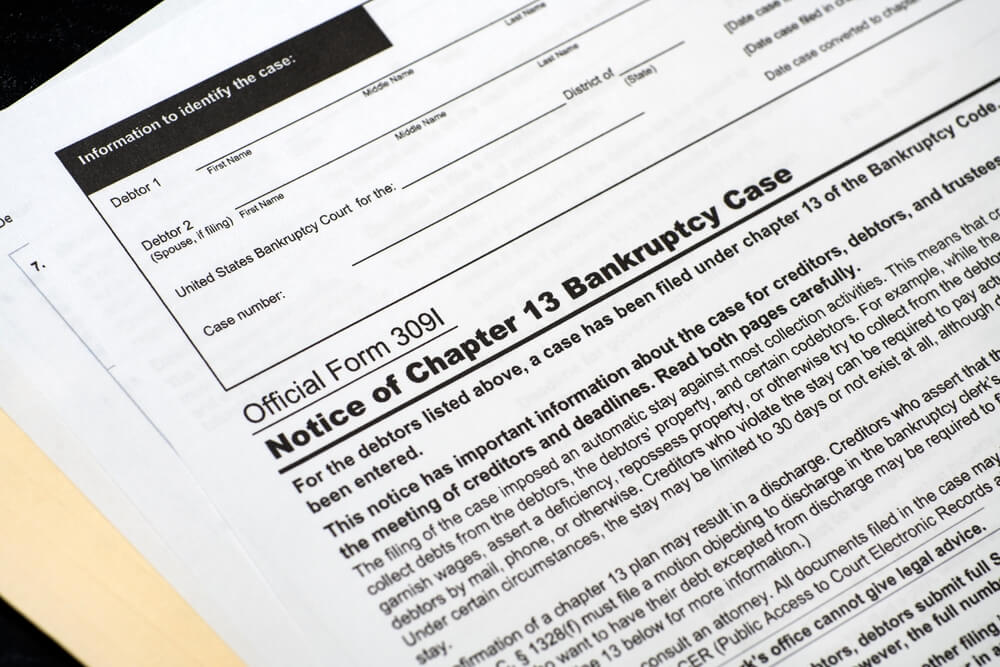
Chapter 13 bankruptcy involves a court-approved repayment plan, generally lasting three to five years. Eligible homeowners may use that plan to catch up on past-due mortgage payments, also called mortgage arrears, while keeping up with current ongoing payments.
Plan payments go to a trustee for distribution to creditors. How ongoing mortgage payments are handled depends on the plan and applicable requirements.
Filing generally triggers an automatic stay that pauses foreclosure proceedings, subject to exceptions. However, Chapter 13 does not automatically lower your regular mortgage payment or guarantee that you will keep your home. You must qualify and maintain the required payments.
Chapter 13 vs. Loan Modification and Other Mortgage Options
You have multiple options if you are struggling to make mortgage payments in Florida. Choosing an approach starts with understanding what each option can address.
- Loan modification may change your interest rate, repayment term, or other mortgage terms if approved. It may help when the regular payment has become unaffordable. However, extending repayment can affect the total amount paid over time.
- Foreclosure defense involves reviewing the foreclosure case and possible legal defenses, including relevant servicing or procedural issues. It does not automatically change your mortgage terms or eliminate the balance owed.
- Chapter 13 bankruptcy may help when you have income to support ongoing mortgage payments but need a structured repayment plan to catch up on missed mortgage payments and address other debts.
- Chapter 7 bankruptcy may eliminate certain unsecured debts, such as credit card balances and medical bills, potentially freeing up money for mortgage payments. However, it does not provide a repayment plan to catch up on missed mortgage payments.
What Could Chapter 13 or Another Option Cost?
The cost of Chapter 13 includes more than the initial filing. Expenses may include court filing fees, attorney fees, required counseling and education courses, and trustee fees. Some expenses may be due upfront, while others may be handled through the repayment plan. Understanding that breakdown can give you a clearer picture of the initial cost and ongoing commitment.
You also need to consider the financial commitment of repayment. A plan must fit your household budget alongside housing costs, utilities, transportation, and other necessities. Bankruptcy can affect your credit and future borrowing opportunities.
Other strategies carry their own costs and tradeoffs. Loan modification may affect long-term borrowing costs. Foreclosure defense or debt negotiation may involve legal fees without guaranteeing a particular result. If other accounts are contributing to the hardship, Florida debt defense may also be relevant.
Waiting has potential costs, too. Additional missed payments, permitted fees, collection activity, and foreclosure proceedings can make the situation harder to resolve. A consultation with a bankruptcy attorney gives you an opportunity to compare realistic costs, deadlines, and risks before choosing your next step.
What Happens During a Mortgage and Bankruptcy Consultation?
A consultation helps clarify your mortgage situation and the options worth pursuing. Here’s what that conversation may cover:
- Review the mortgage situation: Your attorney reviews your forbearance terms, missed payments, current mortgage payment, and any foreclosure notices or court deadlines. Your income, household expenses, assets, and other debts help establish what you can realistically afford.
- Compare available options: Our attorneys in Florida can evaluate whether Chapter 13, loan modification, foreclosure defense, or another strategy may fit your circumstances and housing goals.
- Understand costs and next steps: Your attorney explains potential legal fees, other expenses, payment obligations, and important deadlines. The discussion also helps clarify which documents are needed, what the proposed approach involves, and what uncertainties remain.
Get Help with Your Mortgage and Bankruptcy Options
If you are struggling after mortgage forbearance, Loan Lawyers can help you review your mortgage status, repayment options, and other debts affecting your finances. Our attorneys can explain potential bankruptcy and non-bankruptcy strategies and the commitments each may involve.
Schedule a free consultation or call 954-523-4357 to discuss your next steps.
Frequently Asked Questions About Forbearance and Bankruptcy
Do I have to repay all missed mortgage payments after forbearance?
Generally, the unpaid amounts remain owed, but repayment does not always require a lump sum. Depending on your loan and eligibility, you may qualify for a repayment plan, deferral, modification, or another arrangement. Your servicer can explain the available options and provide written repayment terms before your forbearance ends.
Can Chapter 13 help me catch up on mortgage payments?
Eligible homeowners may address past-due mortgage payments through a Chapter 13 repayment plan while continuing to make ongoing payments. Whether that approach is workable depends on income, expenses, other debts, and bankruptcy requirements. The plan needs to provide a sustainable way to catch up while meeting continuing obligations.
Can bankruptcy stop foreclosure after forbearance ends?
Filing may pause foreclosure through the automatic stay. Timing matters, particularly if a sale is approaching or has occurred. Previous bankruptcy cases and other circumstances may limit protection, and a lender may request permission to proceed. Prompt legal review can help clarify how those limits apply to your case.
Will Chapter 13 bankruptcy lower my mortgage payment?
Chapter 13 does not automatically lower the underlying mortgage payment. Its mortgage-related benefit may be giving you time to address arrears. A separate, approved loan modification may change the payment or other terms, but filing bankruptcy alone does not guarantee that your lender will approve those changes.
Is loan modification better than Chapter 13?
Neither option is universally better. Modification may address an unaffordable mortgage payment by changing loan terms, while Chapter 13 bankruptcy may help address arrears and other debts through a court-approved plan. Eligibility, affordability, timing, and your goals determine which approach—or combination of approaches—to consider.
When should I talk to a lawyer after mortgage forbearance?
Speaking with a lawyer before forbearance ends can be helpful if you expect difficulty resuming payments or resolving the unpaid balance. Foreclosure papers or a sale notice make timely review especially important. Earlier discussions allow more time to gather documents, understand deadlines, and evaluate available strategies.