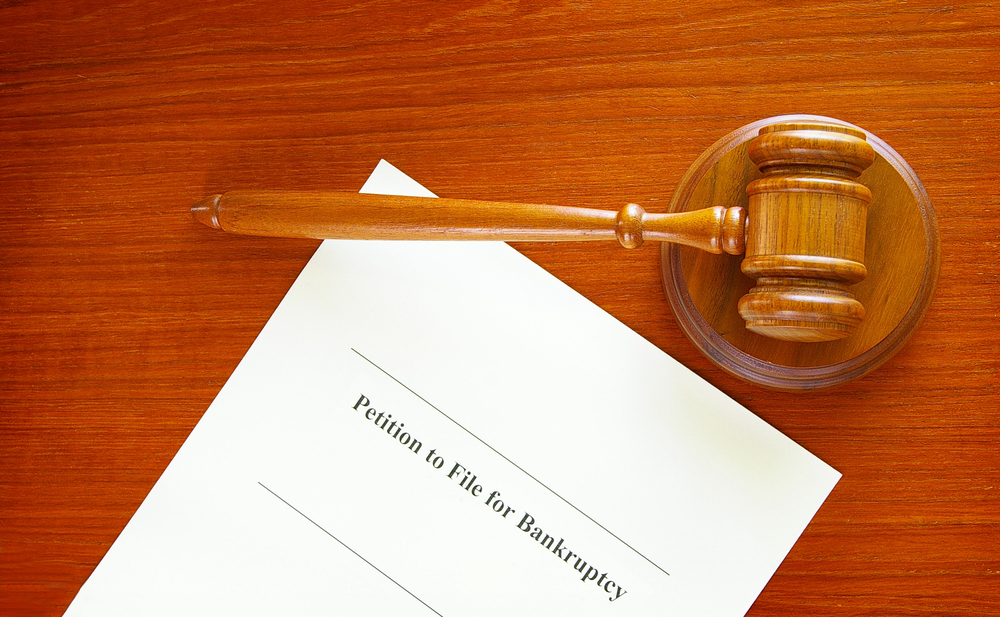
Bankruptcy is a critical lifeline for people who are struggling financially under severe debt and need a way to start over again. If you’re considering taking this major step, money’s already tight, and the sound of a “no money down” Chapter 7 bankruptcy filing might sound appealing. However, in some cases, the offer might be too good to be true, and it’s important to know what you could be on the hook for before you commit to any future obligations.
Don’t make the mistake of going through this process alone. Instead, get the help you deserve from an experienced Chapter 7 bankruptcy attorney in Fort Lauderdale. Loan Lawyers has a proven track record of helping clients of all financial backgrounds through the Chapter 7 bankruptcy process. Contact us today for a free initial case evaluation, where we can discuss your bankruptcy options, their potential upsides and downsides, and which one might be right for you.
How Chapter 7 Bankruptcy Normally Works
Filing for Chapter 7 bankruptcy can involve various expenses, including court filing fees, credit counseling course fees, and attorney fees. Many of these expenses must be paid before filing for bankruptcy and, therefore, before the filer gets the benefits of the automatic stay and discharge of debts. These upfront expenses are intended to cover the costs associated with the administrative process of bankruptcy and to ensure that debtors receive ethical and competent legal representation from their attorney.
What ‘No Money Down’ Bankruptcy Really Means
In a “no money down” bankruptcy, a debtor will pay court costs and filing fees upfront, obtain a waiver or payment plan for those fees from the court, or have a funding company finance those upfront court costs for them.
As for the attorney’s legal fees, an attorney in a no money down bankruptcy may agree to defer payment of their fees to the post-petition phase of the bankruptcy case. A debtor may pay the attorney’s fees as part of a Chapter 13 plan if the bankruptcy court converts their Chapter 7 petition into a Chapter 13 case, or through an installment agreement that requires periodic payments. However, getting outside funding or deferring legal fees may raise scrutiny from bankruptcy judges or trustees, who may worry that such financial arrangements may create future trouble for debtors.
Is No Money Down Bankruptcy Legal in Florida?
So, is a “no money down” bankruptcy legit? Florida bankruptcy courts do recognize the validity of these kinds of bankruptcies under specific arrangements. However, bankruptcy courts and the U.S. Trustee have expressed concerns about some advertised “no money down” bankruptcies. For example, it allows attorneys to file bankruptcy petitions without a full review of a client’s case, which can lead to dismissal of bankruptcy petitions due to ineligibility or missing information.
Courts have also expressed concerns about “no money down” bankruptcies in which a funding company covers the client’s upfront fees, as that can lead to higher costs for clients due to interest and financing charges. Similarly, courts have also raised concerns that attorneys who offer “no money down” bankruptcies charge higher fees in those arrangements than in cases where clients can pay upfront. As a result, bankruptcy courts may view “no money down” bankruptcy proceedings with increased scrutiny due to the potential problems that debtors may face.
Risks of Choosing a Zero-Down Bankruptcy Lawyer
Some of the risks of pursuing a zero-down bankruptcy in Fort Lauderdale include the following:
- Dismissal of the Bankruptcy Petition Due to Errors – Bankruptcy attorneys who conduct a “no money down” bankruptcy may rush the filing of a debtor’s petition, leading to mistakes that cause the bankruptcy court to dismiss the case.
- Higher Overall Costs – Depending on the arrangement for a “no money down” bankruptcy, debtors may face overall higher costs than if they paid bankruptcy expenses upfront. This is particularly true when attorneys charge higher fees through a payment plan, or when the companies covering the client’s upfront costs assess interest and financing charges.
- Effects on Financial Recovery – Debtors who enter payment arrangements with attorneys for a “no money down” bankruptcy may face a more challenging financial recovery after receiving a bankruptcy discharge due to those ongoing payments, which can last a year or more.
- Possible Attorney Discipline – Attorneys who operate under a “no money down” arrangement sometimes have to refile bankruptcy petitions because past petitions were dismissed due to errors or missing information. These lawyers may face disciplinary actions for ethical lapses arising from failure to properly review clients’ cases to ensure a proper bankruptcy filing.
Safe Alternatives to ‘Zero-Down’ Chapter 7 Bankruptcy
Debtors can protect themselves from untrustworthy “no money down” bankruptcy schemes by pursuing alternatives, such as the following:
- Negotiating affordable payment plans upfront with reputable bankruptcy attorneys, so debtors know going into bankruptcy what fees they will owe to their lawyer post-petition
- Applying for filing fee waivers or payment plans to manage the cost of court filing fees
- Pursuing pro bono legal work or legal aid resources through law clinics or non-profit organizations
How to Choose a Trustworthy Bankruptcy Lawyer in Fort Lauderdale
The following are a few important best practices to keep in mind as you decide on a bankruptcy lawyer in Fort Lauderdale:
- Watch out for “too good to be true” offers for legal representation in Chapter 7 bankruptcy. Any offer that sounds like you can file for bankruptcy without paying legal fees to a private bankruptcy attorney will likely involve hidden fees or expenses that may cost you more than paying a reputable attorney up front.
- Ensure you understand payment plans and other expenses when hiring a bankruptcy attorney without paying their fee upfront.
- Look for a bankruptcy lawyer who practices transparency, including fully explaining fee structures and other expenses.
Consult a bankruptcy attorney from Loan Lawyers to discover how our firm helps clients with limited financial means afford the costs of bankruptcy filing.
Contact a Bankruptcy Lawyer in Fort Lauderdale
Filing for Chapter 7 bankruptcy with “no money down” can sound like a compelling offer, but it can come with downsides. Fortunately, there are alternatives that can make the process more affordable without the potential risks. Contact Loan Lawyers today for a free, confidential consultation, and discover your options.
- About the Author
- Latest Posts

Matis Abarbanel is the founding partner and senior attorney at Loan Lawyers in South Florida. He focuses his practice on consumer rights, helping homeowners navigate issues such as foreclosure and financial hardship. Matis also brings a wealth of experience from his previous work in personal injury law. As a devout Chasidic Jew, he is committed to making a positive impact in his community and dedicates his efforts to charitable initiatives through his non-profit organization, The Center, which aids at-risk Jewish youth. Matis actively serves clients across South Florida and is passionate about empowering individuals to secure their rights and achieve a better future.